

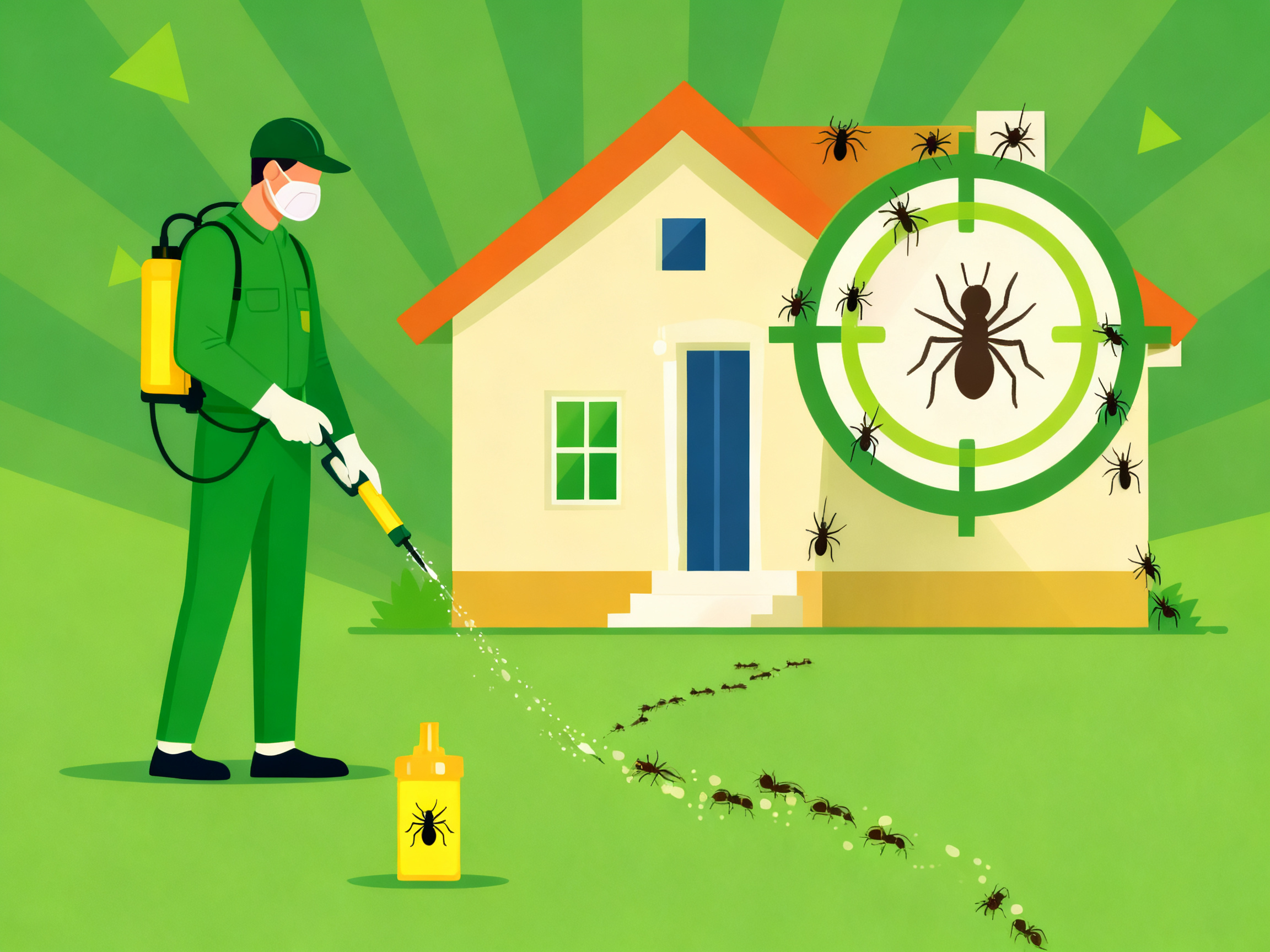
Have you noticed more spiders crawling across your floors, hanging out in your basement, or building webs around your porch?
You’re not alone!
As summer transitions into fall, homeowners throughout Greater Cincinnati, Northern Kentucky, and Southwest Ohio often notice an increase in spider activity.
While spiders are present throughout the year, late summer and early fall are particularly noticeable times for certain species. Many spiders have reached maturity, and males may begin wandering in search of mates.
Spiders are also attracted to areas where other insects are plentiful, making homes, garages, basements, and outdoor lighting popular hunting locations.
Although most spiders are harmless and actually help control other insect populations, that doesn’t mean you want them sharing your living space.
At Snowball Pest Control, we help homeowners identify spider problems and find effective solutions to keep unwanted pests under control.
Why Do Spiders Come Into Your Home?
Contrary to popular belief, spiders don’t necessarily enter homes just because the weather gets colder.
Many spiders already live indoors throughout the year, while others occasionally wander inside through openings.
Here are some of the most common reasons spiders appear around your home.
1. They’re Searching for Food
Spiders feed on insects, including flies, mosquitoes, moths, and other small pests.
If your home has a steady supply of insects, spiders may follow.
2. They’re Looking for Shelter
Basements, crawl spaces, garages, and storage areas provide protected environments where spiders can hide and build webs.
3. It’s Mating Season
For certain spider species, late summer and early fall are active mating periods.
Male spiders may wander more frequently while searching for females, making them more visible around your home.
4. Your Home Has Plenty of Hiding Places
Cluttered storage areas, cardboard boxes, furniture, and undisturbed corners provide excellent hiding spots.
5. Outdoor Lighting Attracts Insects
Porch lights and exterior lighting attract flying insects, which can attract spiders looking for an easy meal.
Did you know? Many spiders found inside homes are adapted to indoor environments and may have been living there long before you noticed them.
Common Spiders Found in Ohio and Kentucky
Several spider species are commonly encountered throughout the Greater Cincinnati and Northern Kentucky region.
Understanding which spiders you’re seeing can help determine whether they’re simply a nuisance or require additional attention.
1. Common House Spiders
Common house spiders are frequently found in corners, basements, garages, and around windows.
They build irregular webs to capture insects and are generally not considered dangerous to humans.
2. Wolf Spiders
Wolf spiders are large, fast-moving hunters that don’t rely on webs to capture prey.
They’re often found in basements, garages, and ground-level areas.
Their size and speed can make them intimidating, but they generally avoid people.
3. Cellar Spiders
Often mistaken for daddy longlegs, cellar spiders have extremely long, thin legs and small bodies.
They’re commonly found in basements, crawl spaces, and ceiling corners.
These spiders are generally harmless and feed on other small insects.
4. Jumping Spiders
Jumping spiders are small, active hunters known for their excellent vision and quick movements.
They’re often seen around windows, walls, and sunny areas.
Jumping spiders are generally harmless to humans.
5. Orb-Weaver Spiders
Orb-weavers are known for building large, circular webs around gardens, porches, and exterior structures.
They become especially noticeable during late summer and fall as many species reach maturity.
Although their webs can be inconvenient, these spiders help control flying insect populations.
6. Brown Recluse Spiders
Brown recluse spiders are medically significant because their bites can occasionally cause serious skin injuries.
They are established in parts of Kentucky and Ohio, although their distribution varies considerably by location.
Brown recluse spiders prefer secluded areas and are not as commonly encountered as many other household spiders.
Because several harmless spiders resemble brown recluses, professional identification is important.
7. Black Widow Spiders
Black widow spiders are another medically significant species found in the region.
Female black widows are typically shiny black with a distinctive red hourglass marking on the underside of their abdomen.
They prefer sheltered, relatively undisturbed locations such as woodpiles, sheds, garages, and outdoor storage areas.
Important: Most spiders found around homes in Ohio and Kentucky are not medically dangerous. However, avoid handling spiders you cannot identify.
7 Signs You May Have a Spider Problem
Seeing an occasional spider doesn’t necessarily mean you have an infestation.
However, certain signs may indicate increased spider activity around your property.
1. Spider Webs Around Windows and Doors
Frequent webs around entryways, porch lights, and exterior corners may indicate an active spider population.
2. Spiders in Multiple Rooms
Regularly spotting spiders throughout your home may suggest favorable hiding conditions or an abundance of insect prey.
3. Egg Sacs
Some spiders produce silk-covered egg sacs that may be attached to webs or hidden in protected areas.
4. Spiders in Basements and Crawl Spaces
Dark, undisturbed areas often provide suitable environments for spiders.
5. Increased Activity During Fall
Certain species become more visible during mating season.
6. Webs Around Outdoor Lighting
Exterior lights attract insects, making nearby areas attractive hunting locations.
7. Frequent Insect Activity
A large number of insects around your home may provide a steady food source for spiders.
Are Spiders Dangerous?
The majority of spiders found in Ohio and Kentucky pose little threat to people.
In fact, spiders play an important role in controlling insect populations.
However, there are a few concerns homeowners should understand.
Spider Bites
Most spiders avoid human contact and bite only when trapped or threatened.
Spider bites are relatively uncommon, and many skin irritations mistakenly attributed to spiders have other causes.
Brown Recluse Bites
Brown recluse bites can occasionally cause tissue damage and may require medical evaluation.
Black Widow Bites
Black widow venom can cause significant pain, muscle cramping, and other systemic symptoms.
Webs and Household Nuisances
Even harmless spiders can create unwanted webs around windows, ceilings, outdoor furniture, and entryways.
If you suspect a black widow or brown recluse bite, contact a medical professional or Poison Control at 1-800-222-1222. Seek emergency care for severe symptoms.
Why Is Spider Activity So High in September and October?
Fall is one of the most noticeable times of year for spider activity throughout Greater Cincinnati and Northern Kentucky.
But why?
For many species, late summer and early fall are periods when spiders reach adulthood.
Male spiders may begin moving around more frequently in search of mates, increasing the likelihood of homeowners seeing them.
Orb-weaver spiders also become especially noticeable because their webs have grown larger and the spiders themselves have matured.
Additionally, outdoor insect populations may still be abundant during early fall, providing spiders with plenty of food.
One common misconception is that all spiders move indoors to escape the cold.
While some outdoor spiders may enter buildings, many indoor spiders have lived inside throughout the year.
How to Keep Spiders Out of Your Home
While completely eliminating spiders from your property isn’t realistic, several prevention strategies can help reduce unwanted activity.
1. Remove Spider Webs Regularly
Use a broom or vacuum to remove webs from corners, windows, porches, and other areas.
2. Seal Cracks and Gaps
Inspect your home’s exterior for openings around windows, doors, foundations, and utility connections.
Sealing appropriate entry points can help prevent spiders and other insects from entering.
3. Reduce Clutter
Keep basements, garages, and storage areas organized.
Avoid leaving cardboard boxes and unnecessary materials piled in undisturbed corners.
4. Control Other Insects
Because spiders feed on insects, reducing insect populations around your home can make the environment less attractive to spiders.
5. Adjust Exterior Lighting
Consider reducing unnecessary outdoor lighting or using warm-colored bulbs that attract fewer flying insects.
6. Keep Vegetation Away From Your Home
Trim shrubs, tree branches, and other vegetation that touches your home’s exterior.
7. Schedule a Pest Control Inspection
A pest control professional can help identify areas of increased spider activity and recommend appropriate prevention and treatment options.
Can You Get Rid of Spiders Yourself?
Homeowners often try store-bought sprays, sticky traps, and natural remedies to control spiders.
While some methods can help reduce occasional spider activity, persistent problems may require a more comprehensive approach.
Spiders often hide in cracks, behind furniture, beneath stored items, and in other difficult-to-reach locations.
Additionally, many spider problems are connected to the presence of other insects.
Simply removing visible spiders without addressing their food sources and hiding places may provide only temporary relief.
Professional pest control can help identify contributing conditions and develop a targeted management strategy.
When Should You Call a Spider Exterminator?
An occasional spider in your home usually isn’t cause for concern.
However, professional pest control may be helpful if you’re experiencing:
- Frequent spider sightings throughout your home
- Large numbers of webs around doors and windows
- Persistent spider activity in basements or garages
- Suspected black widow or brown recluse activity
- Recurring spider problems despite cleaning and prevention efforts
- Significant insect activity that may be attracting spiders
A professional inspection can help determine the most appropriate approach for your property.
Don’t Let Spiders Take Over Your Home This Fall!
Spiders may be beneficial outdoors, but that doesn’t mean you want them building webs around your windows, crawling across your floors, or hiding in your basement.
As fall approaches, spider activity can become more noticeable throughout Ohio and Kentucky.
Taking preventive steps now can help reduce unwanted spider encounters and make your home less attractive to other household pests.
At Snowball Pest Control, we understand how frustrating unwanted pests can be.
We help homeowners throughout Northern Kentucky, Greater Cincinnati, and Southwest Ohio identify pest problems and explore effective treatment solutions.
Take Back Your Home From Spiders!
Don’t let unwanted spiders make themselves comfortable in your home.
Contact Snowball Pest Control today to discuss your spider problem and schedule a pest control inspection.
📞 Call (859) 635-7793


