

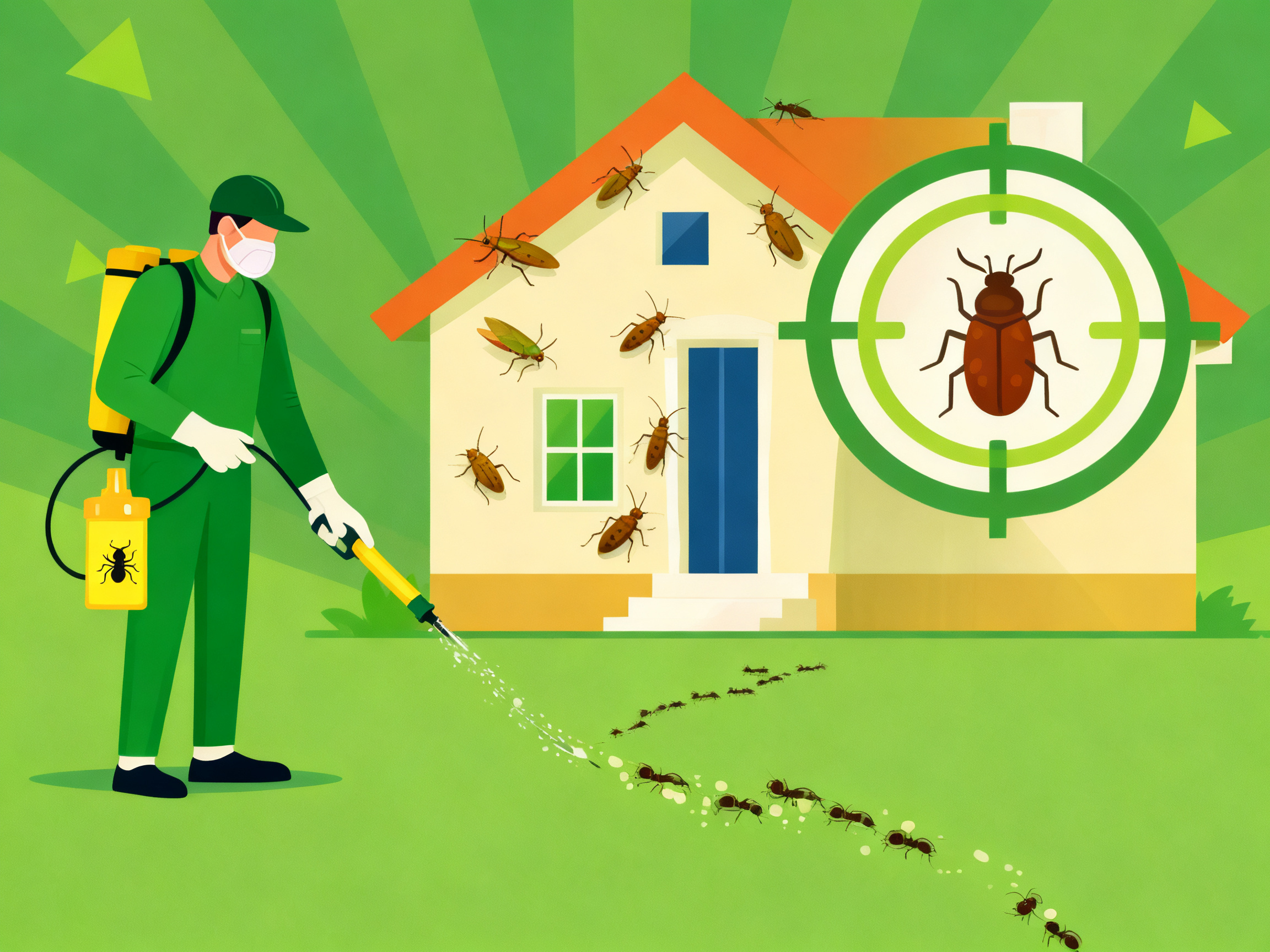
As summer winds down and fall approaches, homeowners throughout Northern Kentucky and Greater Cincinnati may begin noticing an unwelcome visitor: the stink bug.
These shield-shaped insects are known for their unpleasant odor and their habit of gathering around windows, doors, siding, and other areas of your home.
While stink bugs are generally harmless to people, they can quickly become a nuisance, especially when large numbers begin searching for places to spend the winter.
The most common species causing problems in our region is the brown marmorated stink bug, an invasive insect that has become a familiar pest throughout Ohio and Kentucky.
At Snowball Pest Control, we help homeowners understand seasonal pest activity and take steps to protect their homes from unwanted insects.
Why Do Stink Bugs Invade Houses?
Stink bugs spend much of the spring and summer outdoors, feeding on plants, fruits, and crops.
However, as daylight hours shorten and temperatures begin to cool in late summer and fall, these insects start looking for protected places to survive the winter.
Unfortunately, your home can provide the perfect shelter.
Stink bugs commonly enter through:
- Gaps around windows and doors
- Cracks in siding and foundations
- Openings around utility pipes
- Damaged window screens
- Attic vents and roofline gaps
- Spaces around exterior trim
Once inside, stink bugs may hide in attics, wall voids, and other protected areas until warmer temperatures return.
Did you know? Stink bugs don’t typically reproduce inside homes during winter. Instead, they enter a dormant state and wait for warmer weather.
What Attracts Stink Bugs to Your Home?
Have you ever noticed stink bugs gathering on one side of your house?
There’s a reason for that!
Stink bugs are particularly attracted to warm, sunlit surfaces during the fall.
Homes with southern and western exposures often experience increased stink bug activity because these areas receive more afternoon sunlight.
Other factors that may attract stink bugs include:
1. Warm Exterior Walls
Stink bugs gather on surfaces warmed by the sun as they search for winter shelter.
2. Cracks and Openings
Even small gaps around siding, windows, and doors can provide entry points.
3. Nearby Vegetation
Homes surrounded by trees, gardens, and agricultural areas may experience more stink bug activity.
4. Light Sources
Stink bugs can be attracted to lights, making illuminated windows and exterior lighting potential gathering spots.
5. Protected Spaces
Attics, wall cavities, and other sheltered locations offer places where stink bugs can survive colder temperatures.
Are Stink Bugs Dangerous?
The good news is that stink bugs are not considered dangerous to humans.
They don’t typically bite people, sting, or cause structural damage to homes.
However, they can create several frustrating problems.
Unpleasant Odors
Stink bugs release a strong-smelling chemical when threatened, disturbed, or crushed.
This defensive odor is what gives them their name.
Large Numbers Indoors
While finding one stink bug might not seem like a big deal, discovering dozens around your windows or ceilings can quickly become frustrating.
Household Nuisance
Stink bugs may emerge from hiding places during warm winter days, making homeowners think they have a new infestation.
Garden Damage
Outdoors, brown marmorated stink bugs feed on fruits, vegetables, and ornamental plants, potentially damaging gardens and crops.
Important: Avoid crushing stink bugs inside your home. Doing so can release their unpleasant odor.
5 Signs You Have a Stink Bug Problem
Not sure whether stink bugs are becoming a problem around your property?
Watch for these common warning signs.
1. Stink Bugs Gathering Around Windows
One of the earliest signs is seeing multiple stink bugs crawling around sunny windows or exterior walls.
2. Bugs Appearing Inside Your Home
Stink bugs frequently enter homes through small openings and may appear on walls, ceilings, or curtains.
3. Increased Activity During Warm Fall Days
Stink bugs often become more noticeable when temperatures fluctuate during late summer and fall.
4. Insects Around Attics and Rooflines
Because stink bugs seek protected overwintering locations, they may gather near attic vents, soffits, and roofline openings.
5. Stink Bugs Appearing During Winter
If you notice stink bugs indoors during January or February, they may have been hiding inside your home since fall.
How to Keep Stink Bugs Out of Your Home
Preventing stink bugs from entering your home is generally easier than dealing with them once they’re inside.
Here are some practical steps homeowners can take.
Seal Cracks and Gaps
Inspect your home’s exterior for openings around windows, doors, siding, and utility connections. Seal appropriate gaps with caulk or weatherstripping.
Repair Damaged Screens
Replace torn window screens and check that attic vents are properly screened.
Install Door Sweeps
Make sure exterior doors close tightly and have properly fitted weatherstripping.
Reduce Exterior Lighting
Consider turning off unnecessary outdoor lights or using lighting that attracts fewer insects.
Remove Indoor Stink Bugs Carefully
If stink bugs have already entered your home, use a vacuum or gently collect them in a container rather than crushing them.
Schedule a Pest Control Inspection
A pest control professional can help identify areas of concern and recommend appropriate prevention or treatment options.
When Is Stink Bug Season in Ohio and Kentucky?
Stink bugs can be found outdoors throughout the warmer months, but their activity around homes follows a seasonal pattern.
| Season | Stink Bug Activity |
|---|---|
| Spring | Overwintered stink bugs emerge and become active outdoors. |
| Summer | Stink bugs feed on plants and reproduce outdoors. |
| Late August–September | Stink bugs may begin gathering around homes as they search for shelter. |
| October–November | Cooler temperatures encourage stink bugs to enter protected spaces. |
| Winter | Stink bugs remain sheltered but may emerge indoors during warm periods. |
Late summer and early fall are especially important times for stink bug prevention.
Taking action before large numbers enter your home can help reduce problems throughout the colder months.
Can Pest Control Help With Stink Bugs?
Yes! Professional pest control can be part of an effective stink bug management strategy.
However, stink bug control works best when prevention is the priority.
Because stink bugs enter through exterior openings and hide in protected spaces, simply spraying insects after they appear indoors may not solve the underlying problem.
A pest control professional can evaluate your property, identify potential entry points, and determine whether targeted exterior treatments or other preventive measures are appropriate.
Treatments are not guaranteed to eliminate every stink bug, and sealing entry points remains an important part of long-term prevention.
Don’t Let Stink Bugs Take Over Your Home!
Stink bugs may not bite or sting, but that doesn’t make them welcome guests.
Once these insects find their way into your home, they can remain hidden for months and reappear when temperatures rise.
The best time to address stink bug problems is before they move indoors for the winter.
At Snowball Pest Control, we’re here to help homeowners throughout Northern Kentucky and Greater Cincinnati deal with unwanted seasonal pests.
Whether you’re seeing stink bugs gathering around your windows or discovering them inside your home, our team can help you explore your pest control options.
Keep the Stink Bugs Outside Where They Belong!
Don’t wait until stink bugs start showing up throughout your home.
Contact Snowball Pest Control today to learn more about seasonal pest prevention and schedule an inspection.
📞 Call (859) 693-7793


