

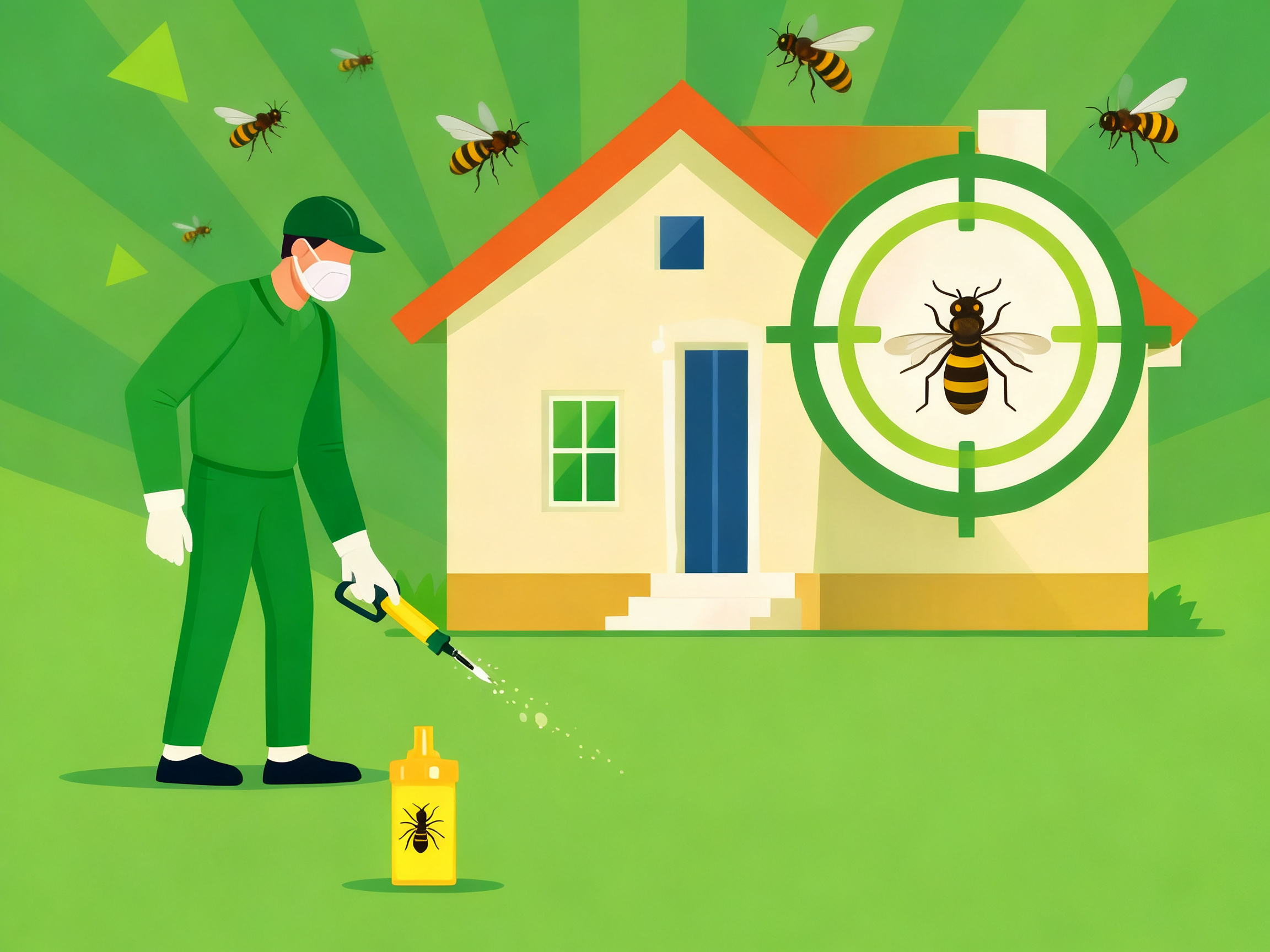
As temperatures begin to cool, you might notice more hornets buzzing around your yard, porch, or outdoor living spaces. While summer is typically associated with stinging insects, early fall can be one of the most troublesome times for hornet activity.
Throughout spring and summer, hornet colonies grow larger as workers gather food and protect their nests. By late summer and early fall, colonies can reach their peak population, meaning more hornets are flying around your property.
As natural food sources change and colonies approach the end of their seasonal life cycle, hornets may become more noticeable around homes, trash cans, and outdoor gatherings.
At Snowball Pest Control, we help homeowners throughout Northern Kentucky and Greater Cincinnati identify and address troublesome stinging insect activity before someone gets hurt.
What Attracts Hornets to Your Property?
Hornets are constantly searching for food, water, and suitable nesting locations. Unfortunately, residential properties often provide everything they need.
Some common hornet attractants include:
- Outdoor food and drinks: Sugary beverages, fallen fruit, and leftover food can attract certain stinging insects.
- Garbage cans: Uncovered trash containers provide easy access to food.
- Trees and shrubs: Branches and dense vegetation can offer protected nesting locations.
- Rooflines and overhangs: Certain hornets and wasps build nests in sheltered areas around homes.
- Outdoor lighting: Lights attract insects, which can become food for hornets.
Keeping your property clean and reducing accessible food sources can help discourage unwanted activity.
Where Do Hornets Build Their Nests?
One of the biggest concerns with hornets is discovering a nest too close to your home.
Depending on the species, nests may be found in several locations.
1. Trees and Shrubs
Bald-faced hornets, which are actually a type of yellowjacket, frequently build large, enclosed paper nests in trees and shrubs. These nests can become quite noticeable as the colony grows.
2. Under Roof Overhangs
Protected areas beneath eaves, porches, and rooflines can provide nesting locations for certain wasps and hornets.
3. Inside Wall Voids
European hornets may establish nests inside hollow trees, wall cavities, and other enclosed spaces.
4. Around Sheds and Garages
Structures that receive limited human activity can provide sheltered nesting opportunities.
Important: Never attempt to knock down or disturb an active hornet nest. Hornets can defend their colonies aggressively when they perceive a threat.
Are Hornets Dangerous?
Hornets play an important role in controlling other insect populations, but they can become dangerous when their nests are located near people.
Unlike honeybees, hornets can sting multiple times.
A hornet sting can cause:
- Immediate pain or burning
- Redness and swelling
- Itching and tenderness
- More significant reactions in individuals allergic to insect venom
For most people, hornet stings cause temporary discomfort. However, multiple stings or a severe allergic reaction can become a medical emergency.
If someone experiences difficulty breathing, swelling of the throat, dizziness, or other symptoms of a severe allergic reaction after being stung, call 911 immediately.
Do Hornets Die When It Gets Cold?
Yes, most hornet colonies in Ohio and Kentucky naturally die off as temperatures drop and freezing weather arrives.
However, that doesn’t mean you should ignore an active nest near your home.
During early fall, colonies may still contain hundreds of insects, depending on the species and nest size.
As winter approaches, newly mated queens leave their colonies and seek protected places to overwinter. The remaining workers and the old queen eventually die.
Most hornets do not reuse their old nests the following year, although new colonies can develop nearby.
If you discover an active nest near an entrance, playground, patio, or another frequently used area, professional removal may be the safest option.
5 Signs You May Have a Hornet Problem
Not sure whether hornets have established a nest on your property?
Watch for these warning signs:
1. Increased Hornet Activity
Seeing multiple hornets repeatedly flying through the same area may indicate a nearby nest.
2. A Large Paper-Like Nest
Some species construct gray, football-shaped nests that hang from trees, shrubs, or structures.
3. Hornets Entering Small Openings
Repeated activity around siding gaps, rooflines, or wall openings may indicate a concealed nest.
4. Aggressive Behavior Near Certain Areas
Hornets may become defensive when people approach their nesting locations.
5. Persistent Buzzing
Buzzing sounds from a wall or enclosed space can sometimes indicate insect activity inside a structure.
If you notice these signs, avoid disturbing the area and contact a pest control professional.
Can You Remove a Hornet Nest Yourself?
Although DIY hornet sprays are available at hardware stores, attempting to remove an active nest can be dangerous.
Disturbing a colony can trigger defensive behavior from numerous hornets at once.
Nests located high in trees, inside walls, or near electrical equipment create additional hazards.
Professional pest control technicians can evaluate the nest, identify the insect, and determine an appropriate treatment strategy.
Never seal an opening into an active nest inside your home. Trapped insects may seek another exit, potentially entering living spaces.
How to Help Prevent Hornets Around Your Home
While no prevention method can guarantee a hornet-free property, several steps can reduce the likelihood of unwanted encounters.
- Keep outdoor trash cans tightly sealed.
- Clean up fallen fruit and food scraps.
- Avoid leaving sugary drinks uncovered outdoors.
- Inspect sheds, rooflines, and other sheltered areas for early nest development.
- Keep window screens and exterior doors in good condition.
- Have potential entry points inspected and sealed when no active nest is present.
Routine property inspections can also help identify developing pest problems before they become more serious.
When Should You Call Snowball Pest Control?
Finding a hornet nest on your property can be stressful, especially when children, pets, or visitors spend time outdoors.
If hornets are nesting near your home, you don’t have to handle the problem yourself.
At Snowball Pest Control, we understand the challenges homeowners face with seasonal pests throughout Northern Kentucky and Greater Cincinnati.
Whether you’ve discovered a visible nest or suspect hornets are living inside a wall or another enclosed space, our team can help assess the situation and recommend an appropriate solution.
Don’t Let Hornets Take Over Your Yard!
Enjoy your outdoor spaces without worrying about unwanted stinging insects.
Contact Snowball Pest Control today to discuss your hornet problem and schedule an inspection.
📞 Call (859) 693-7793


